





The metabolic activities and functionalities of bioprotective lactic acid bacteria
To develop alternatives to synthetic antibacterial agents and antibiotics, Novalait has joined forces with other agrifood partners and industry suppliers in the METABIOLAC Chair. Established at Université Laval, METABIOLAC’s mission is to harness the power of lactic acid bacteria with promising antimicrobial or antifungal activities. Alternatives to fight pathogens is therefore at the heart of this research investment.
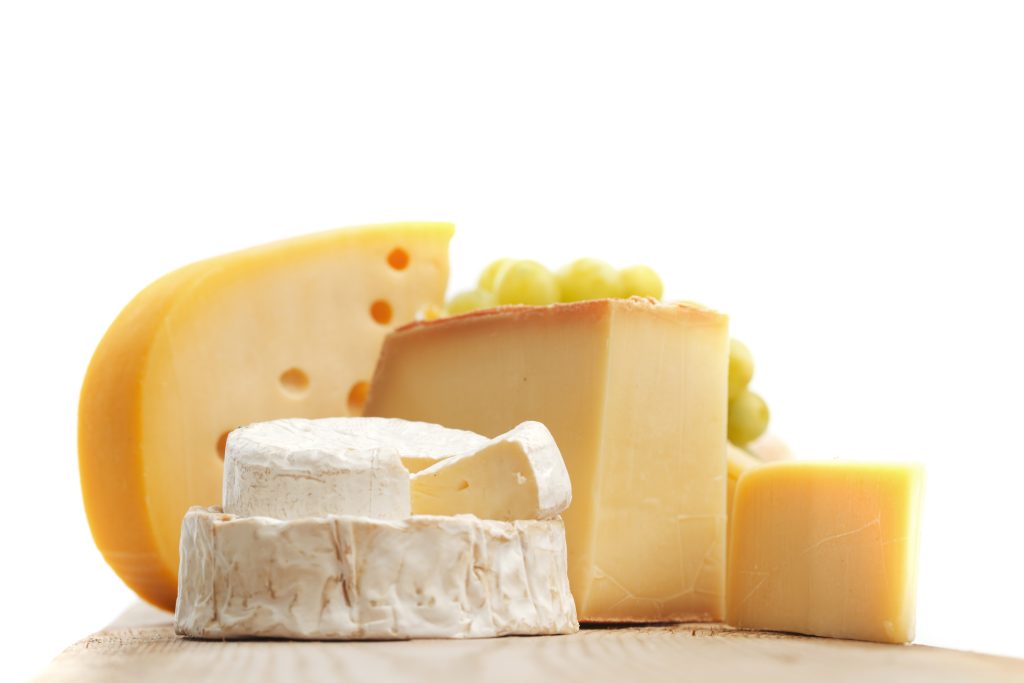
Clostridium tyrobutyricum control continues to halt butyric swelling in cheeses. After confirming the reduction of Clostridium populations in cheeses, the research team developed an innovative formula composed of alginate and starch to encapsulate the antimicrobial consortia and allow their gradual release into the cheese matrix. The capsules developed are non-toxic, biocompatible, biodegradable and economical. A pilot project is under development to repeat the experiment in Gouda and Swiss cheeses.
Reuterin: An alternative to natamycin?
The research team continued work on alternatives to natamycin, an antifungal compound used in yogurts. After confirming the antifungal activity of reuterin in the storage of commercial yogurts, this bacteriocin was tested as an ingredient in the manufacture of brewed yogurts. The results of incorporating reuterin at the brewing stage demonstrated complete inhibition of the mold A. Niger mold for 15 days. The compound was also more effective than natamycin in inhibiting mold growth in yogurts.
Controlling bovine mastitis
The search for alternatives to bovine mastitis has also progressed over the past year. With a view to preventing mastitis, the research team tested the in vivo efficacy of bacteriocins in reducing the bacterial load on teat skin. Alone or in combination, the bacteriocins were applied in a teat bath and compared with iodine or saline water. Nisin reduced levels of staphylococci, streptococci and total bacteria, while reuterin only affected the total bacterial count. The combination of bacteriocins significantly reduced the bacterial load across all species. The next step is to validate the intramammary efficacy of bacteriocins in treating mastitis.